


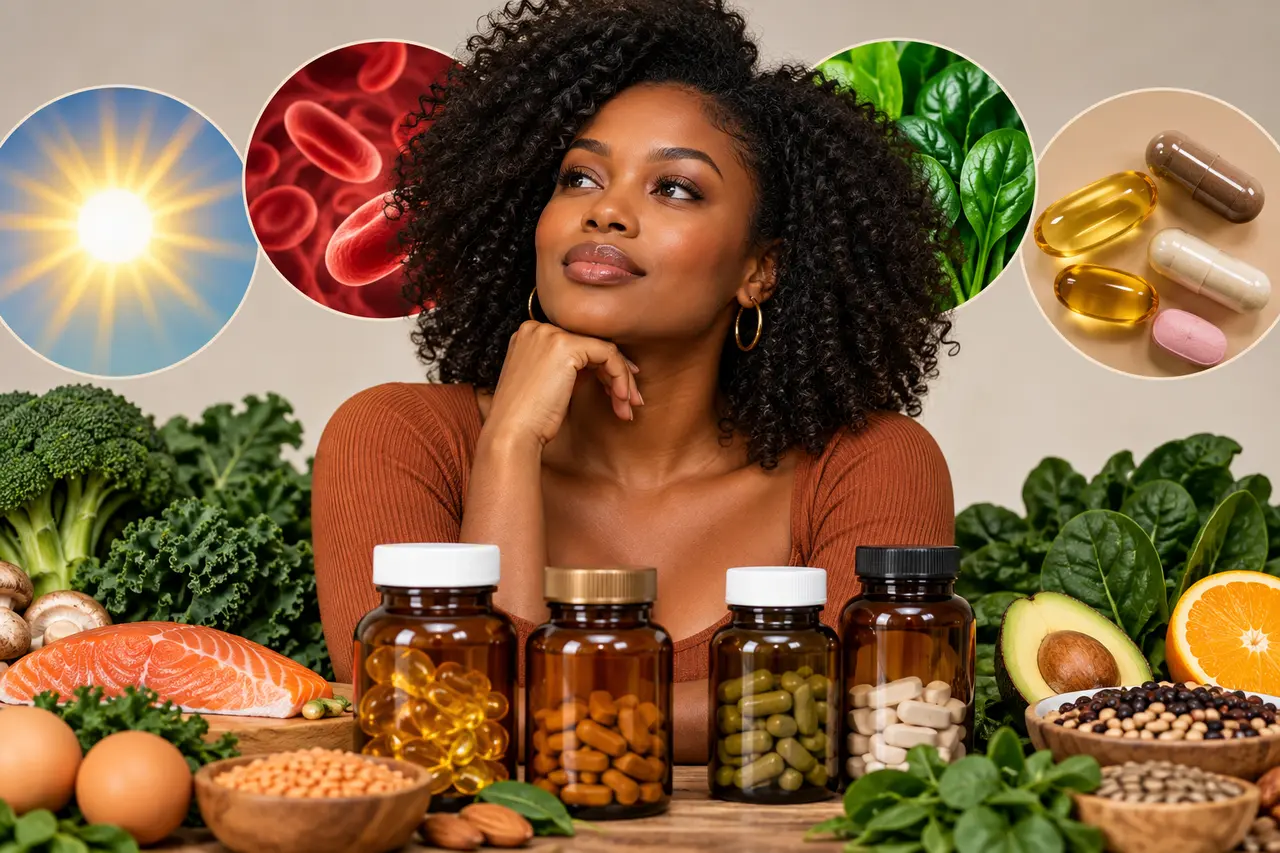
Black Girl Vitamins can refer both to the supplement brand of the same name and, more broadly, to vitamins marketed toward Black women. The important health question is not whether Black women need an entirely different set of vitamins, but whether certain nutritional risks, dietary patterns, life stages, medications, and health conditions make particular nutrients worth paying closer attention to.
Vitamin D, iron, folate, and vitamin B12 are among the nutrients that may deserve consideration depending on the individual. However, ethnicity alone cannot determine whether someone has a deficiency or needs a supplement. Diet, menstrual blood loss, pregnancy, sun exposure, skin pigmentation, medical conditions, medications, and laboratory results can all change the answer.
This guide explains where Black Girl Vitamins fits into the supplement market, which nutrients may be relevant for Black women, and how to choose supplements without taking unnecessary or excessive doses.
What Is Black Girl Vitamins?
Black Girl Vitamins, often abbreviated BGV, is a Black-owned health and wellness company that markets dietary supplements with Black women as its primary audience. The company says its mission is to address nutritional needs and health disparities affecting Black women. Its current product range includes vitamin D, iron, vitamin B12, prenatal vitamins, magnesium, probiotics, collagen, omega-3 supplements, and products marketed for areas such as menopause, PCOS, hair and skin, and gut health.
The brand was founded in 2021 and describes its products as being formulated with Black women’s health needs in mind.
That positioning should not be interpreted to mean that every Black woman needs the same supplements. Nutritional requirements are individualized, and a vitamin deficiency should ideally be identified through a combination of dietary assessment, symptoms, risk factors, and, where appropriate, blood testing.
Do Black Women Need Different Vitamins?
There is no separate set of recommended daily vitamin allowances specifically for Black women. Standard nutrient requirements are generally based on factors such as age, sex, pregnancy, and breastfeeding rather than race.
However, some health and nutritional factors occur at different rates across populations. One well-established example involves vitamin D. Melanin reduces the skin’s ability to produce vitamin D in response to ultraviolet B radiation, so people with darker skin generally produce less vitamin D from the same amount of sunlight than people with lighter skin.
This does not mean that every Black woman has vitamin D deficiency or should automatically take a high-dose supplement. NIH notes that Black Americans tend to have lower measured 25-hydroxyvitamin D concentrations than White Americans, while also cautioning that the clinical implications of those differences are not always straightforward.
Other nutrient concerns may arise from menstruation, pregnancy, dietary restrictions, gastrointestinal conditions, medications, or limited access to nutrient-rich foods rather than skin color itself.
Nutrients Black Women May Want to Pay Attention To
| Nutrient | Why it may matter | Common dietary sources | When supplementation may be considered |
|---|---|---|---|
| Vitamin D | Bone, muscle, immune, and calcium metabolism | Fortified milk, fatty fish, fortified foods | Low blood levels, limited sun exposure, inadequate intake |
| Iron | Needed to make hemoglobin and transport oxygen | Meat, seafood, beans, lentils, fortified cereals | Confirmed iron deficiency, heavy menstrual bleeding, pregnancy |
| Folate | Cell division and fetal neural-tube development | Leafy greens, beans, citrus, fortified grains | Pregnancy potential, inadequate dietary intake |
| Vitamin B12 | Red blood cell formation and neurological function | Meat, fish, dairy, eggs, fortified foods | Vegan diets, absorption problems, some medication use |
| Calcium | Bone and tooth health | Dairy, fortified plant milks, tofu, leafy greens | Low dietary intake or specific clinical indications |
| Magnesium | Muscle, nerve, and metabolic functions | Nuts, seeds, beans, whole grains, leafy greens | Documented or likely inadequate intake |
A supplement becomes most useful when it solves an identifiable nutritional problem. Taking several supplements simply because they are marketed for women can increase cost and sometimes create unnecessarily high nutrient intake.
Vitamin D May Deserve Particular Attention
Vitamin D is one of the most frequently discussed nutrients in relation to darker skin.
The skin makes vitamin D when exposed to UVB radiation. Greater melanin content reduces this production, which is one reason people with dark skin may have lower vitamin D concentrations. Geography, season, clothing, indoor lifestyles, age, sunscreen use, and diet also influence vitamin D status.
For someone concerned about deficiency, a blood test for serum 25-hydroxyvitamin D can provide more useful information than guessing based on skin color.
High-dose vitamin D should not automatically be viewed as better. The NIH review of available evidence notes important uncertainties regarding the relationship between vitamin D concentrations and health outcomes in Black Americans.
That makes individualized dosing preferable to taking very large doses simply because a supplement is marketed toward people with darker skin.
Iron Needs Depend Heavily on Menstruation and Pregnancy
Iron helps the body make hemoglobin, which carries oxygen through the bloodstream. Low iron can eventually contribute to iron-deficiency anemia.
Adult women ages 19 to 50 have a recommended dietary allowance of 18 mg of iron per day, compared with 8 mg for adult men in the same age range. Pregnancy increases the recommendation to 27 mg per day.
Heavy menstrual bleeding can increase the risk of iron deficiency because iron is lost through blood. Diet can also matter. Plant foods contain nonheme iron, which is generally absorbed less efficiently than the heme iron present in meat and seafood.
Useful food sources include:
- Lean meat and seafood
- Lentils and beans
- Spinach
- Iron-fortified cereals and breads
- Nuts and seeds
Vitamin C-rich foods can improve absorption of nonheme iron. For example, eating lentils with bell peppers or citrus fruit may improve iron absorption compared with eating lentils alone.
Iron is one supplement that should not be taken casually at high doses. Many iron-only supplements contain considerably more than the daily requirement, and excess iron can cause gastrointestinal effects and other health problems.
Someone experiencing persistent fatigue, weakness, shortness of breath, or unusually heavy periods should consider discussing iron testing with a healthcare professional rather than assuming that an iron supplement is the solution.
Folate Is Especially Important Before Pregnancy
Folate, also called vitamin B9, is required for cell growth and DNA-related processes. Its importance becomes particularly clear before and during early pregnancy.
The CDC recommends that women capable of becoming pregnant consume 400 micrograms of folic acid every day. Adequate folic acid before conception and during early pregnancy helps reduce the risk of neural tube defects affecting the developing brain and spine.
Food sources of folate include beans, lentils, leafy green vegetables, citrus fruits, and certain fortified grain products.
A prenatal vitamin can be useful for people who are planning pregnancy, already pregnant, or advised to take one by a healthcare professional. However, the nutrient amounts in prenatal supplements vary, so the Supplement Facts label matters more than the word “prenatal” on the front of the bottle.
Vitamin B12 Matters More for Certain Diets and Medications
Vitamin B12 contributes to healthy red blood cells, DNA synthesis, and nervous-system function.
Animal foods such as meat, fish, eggs, and dairy are important natural sources. People following vegan diets therefore need to obtain B12 from fortified foods or supplements.
Absorption can also be affected by certain medications and health conditions. NIH notes that metformin and medications that reduce stomach acid can affect vitamin B12 status.
This is a good example of why supplement decisions should be based on more than demographic identity. A Black woman eating a varied omnivorous diet with normal B12 absorption may have very different needs from a Black woman following a vegan diet while taking metformin.
Food Should Still Provide the Foundation
Supplements can fill nutritional gaps, but they cannot reproduce everything obtained from a balanced diet.
For example:
- Salmon can provide vitamin D, protein, omega-3 fats, and minerals.
- Lentils provide iron along with fiber, protein, folate, and potassium.
- Leafy greens provide folate plus vitamin K and numerous plant compounds.
- Yogurt can provide calcium, protein, vitamin B12, and, depending on the product, vitamin D.
A multivitamin may help compensate for certain gaps, but it cannot replace dietary fiber, adequate protein, essential fats, or the range of foods associated with a nutritious eating pattern.
A useful approach is therefore food first, supplements when needed, rather than treating supplements as nutritional insurance against any diet.
How to Choose a Vitamin or Supplement
The supplement aisle can make products appear more medically standardized than they actually are. In the United States, dietary supplements are regulated differently from prescription and over-the-counter drugs.
The FDA does not approve dietary supplements for safety and effectiveness before they enter the market. Manufacturers are responsible for ensuring that their products comply with applicable requirements.
Before choosing a product, check:
- The actual nutrient and dose.
Look at the Supplement Facts panel rather than relying on front-label claims. - Your existing supplements.
A multivitamin, beauty supplement, fortified beverage, and individual vitamin can contain overlapping ingredients. - Why you are taking it.
A supplement intended to correct a documented deficiency has a clearer purpose than one taken “just in case.” - Potential medication interactions.
Vitamins, minerals, herbs, and prescription medications can sometimes interact. - Independent quality verification.
Third-party testing can provide additional assurance about manufacturing quality and whether the contents match the label. - Extremely high doses.
More is not automatically better. Some vitamins and minerals have established tolerable upper intake levels.
This framework applies whether you are buying Black Girl Vitamins or any competing supplement brand.
Black Girl Vitamins vs. a Regular Multivitamin
The major difference is usually positioning, formulation, and product selection rather than the existence of completely different vitamins.
| Factor | Black Girl Vitamins | General multivitamin |
|---|---|---|
| Target audience | Primarily Black women | Broad adult population |
| Product selection | Individual nutrients plus targeted wellness formulas | Usually broad vitamin/mineral coverage |
| Common formats | Gummies, capsules, powders, drops | Tablets, capsules, gummies |
| Main advantage | Products and education designed around a specific audience | Broad availability and many price points |
| Main consideration | Not every targeted product will be necessary for every person | Formula may contain nutrients you do not need |
Black Girl Vitamins currently sells both individual nutrients and broader wellness products, including vitamin D3 and K2, vitamin B12, iron gummies, prenatal vitamins, magnesium, omega-3s, probiotics, and other formulas.
The better choice depends on the formulation rather than the demographic branding. Compare nutrient doses, ingredients, cost per serving, quality controls, and whether the product actually addresses a nutritional need.
When Blood Testing Makes More Sense Than Guessing
Symptoms such as fatigue, hair changes, weakness, brain fog, or low mood are often promoted alongside supplements. The problem is that these symptoms are nonspecific.
Fatigue, for example, could be related to:
- Iron deficiency
- Vitamin B12 deficiency
- Sleep problems
- Thyroid disease
- Stress
- Infection
- Depression
- Medication effects
- Numerous other medical conditions
Taking several supplements simultaneously can make the underlying issue harder to identify and may delay appropriate evaluation.
Testing is especially worth discussing with a clinician when symptoms are persistent, when menstrual bleeding is unusually heavy, when dietary restrictions are significant, or when someone has a condition or medication known to affect nutrient absorption.
Supplements During Pregnancy Require Extra Care
Pregnancy changes nutrient requirements significantly, so a general women’s multivitamin is not necessarily an appropriate substitute for a prenatal vitamin.
Folate or folic acid, iron, iodine, vitamin D, and other nutrients may require particular attention depending on the individual. The CDC specifically recommends 400 mcg of folic acid daily for women capable of becoming pregnant.
Anyone who is pregnant, breastfeeding, trying to conceive, taking prescription medications, or managing a chronic medical condition should review supplements with a healthcare professional. Combining a prenatal vitamin with separate nutrient supplements can sometimes result in unnecessary duplication.
Common Mistakes to Avoid
One mistake is assuming that a supplement designed for Black women must automatically be medically necessary for every Black woman. Population-level differences can identify areas worth investigating, but they cannot diagnose an individual deficiency.
Another mistake is stacking multiple products without comparing their labels. A multivitamin, hair supplement, vitamin D supplement, and fortified drink may all contain the same nutrients.
Be especially cautious about products that promise to cure diseases, correct hormonal disorders, produce rapid weight loss, or guarantee dramatic changes. The FDA does not pre-approve dietary supplements for effectiveness, and supplements are not approved as treatments simply because they contain vitamins, minerals, or herbs.
A Simple Way to Decide What You Actually Need
Instead of starting with a supplement bottle, start with four questions:
What am I trying to solve?
For example, fatigue, pregnancy preparation, limited dietary intake, or a confirmed vitamin D deficiency.
Can my diet reasonably provide the nutrient?
Sometimes small dietary changes solve the problem.
Do I have a reason to suspect deficiency?
Consider menstrual blood loss, restrictive diets, limited sun exposure, gastrointestinal disease, medications, pregnancy, or previous laboratory results.
Would testing change my decision?
For nutrients such as vitamin D, iron, and B12, laboratory testing may provide far more useful information than choosing supplements based on symptoms alone.
That approach reduces unnecessary supplement use while making supplementation more purposeful when it is genuinely needed.
Frequently Asked Questions
Are Black Girl Vitamins only for Black women?
The brand markets primarily to Black women, but the nutrients used in its products are not biologically exclusive to one racial group. Individual suitability depends on the product, ingredients, dose, medical history, and nutritional needs.
What is the most important vitamin for Black women?
There is no single vitamin that every Black woman needs to supplement. Vitamin D deserves particular attention because darker skin reduces vitamin D production from sunlight, but actual requirements should still be assessed individually.
Should Black women take iron every day?
Not automatically. Adult women ages 19 to 50 require 18 mg of dietary iron per day, but supplemental iron is most appropriate when there is inadequate intake, increased need, or iron deficiency. High-dose iron should not be taken simply because fatigue is present.
Can I take vitamin D and iron together?
They can appear in the same supplement routine, but whether both are necessary depends on individual needs. Iron can also interact with the absorption of certain nutrients and medications, so people taking several supplements or prescriptions should review timing and doses with a pharmacist or clinician.
Is a multivitamin enough?
It depends on your diet and the reason for supplementing. A multivitamin may fill modest nutritional gaps but may not provide enough of a specific nutrient to treat a diagnosed deficiency. Conversely, it may contain nutrients that someone already gets adequately through food.
Are Black Girl Vitamins FDA approved?
Dietary supplements are not FDA-approved for safety and effectiveness before being sold. This applies to Black Girl Vitamins and other dietary supplement brands in the United States. FDA regulates supplements under a different framework from medications.
Conclusion
Black Girl Vitamins has built a supplement line around health issues and nutritional concerns relevant to Black women, but the most useful supplement is still the one that addresses an individual’s actual needs.
Vitamin D may warrant additional attention in people with darker skin because melanin reduces vitamin D production from sunlight. Iron can become especially important with heavy menstrual blood loss or pregnancy, while folic acid is critical for people who could become pregnant. Vitamin B12 needs may change with diet, absorption problems, and certain medications.
Rather than taking several supplements because they are marketed for Black women, compare labels, consider your diet and risk factors, and use laboratory testing or professional guidance when deficiency is a realistic concern. That approach makes supplementation more targeted, safer, and more likely to provide a genuine benefit.
For more helpful guides please visit RoyalSprinter.
