


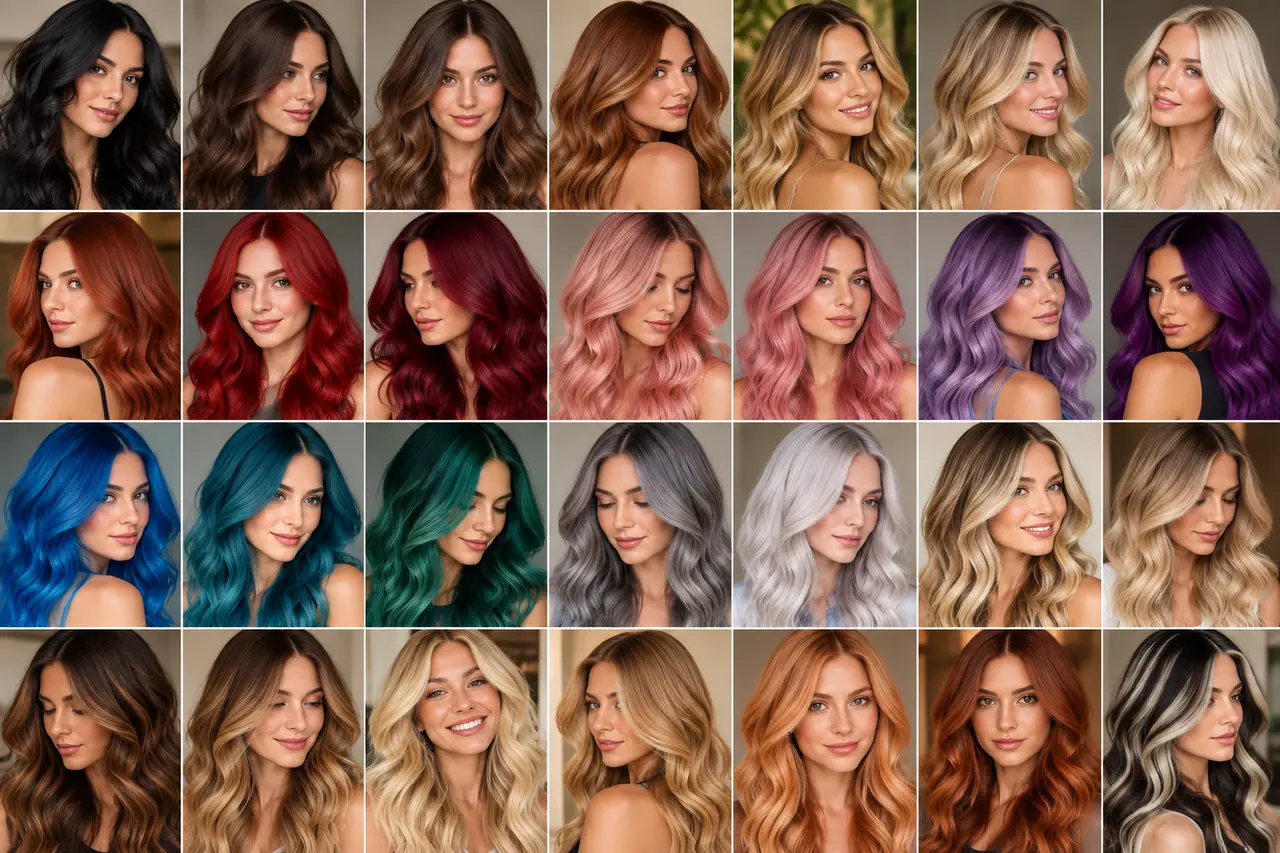
Choosing a new hair color is easier when you think beyond a single inspiration photo. The best hair color ideas work with your natural base, complexion, desired level of contrast, and the amount of maintenance you are willing to handle.
Rich chocolate brown, dimensional brunette, caramel highlights, copper, champagne blonde, burgundy, and softly blended balayage all offer different ways to change your look. Some create a subtle refresh with an easy grow-out, while others deliver a dramatic transformation that requires regular salon maintenance.
The ideas below cover brunette, blonde, red, dimensional, and creative colors, followed by a practical framework for narrowing them down.
Hair Color Ideas at a Glance
| Hair color idea | Overall effect | Typical maintenance | Good choice if you want |
|---|---|---|---|
| Espresso brown | Deep and polished | Low to moderate | Richness without going black |
| Chocolate brown | Warm and dimensional | Low to moderate | A natural-looking brunette |
| Caramel brunette | Soft and sun-kissed | Moderate | Warm dimension |
| Mushroom brown | Muted and cool | Moderate | An ashy brunette |
| Soft black | Dramatic and glossy | Low to moderate | Maximum depth |
| Honey blonde | Warm and luminous | Moderate to high | A golden blonde |
| Champagne blonde | Soft and beige | Moderate to high | A less icy blonde |
| Bronde | Balanced blonde-brown | Moderate | A subtle lightening effect |
| Copper | Bright and warm | Moderate to high | A noticeable change |
| Auburn | Deep red-brown | Moderate | A wearable red |
| Burgundy | Rich red-violet | Moderate to high | A darker statement shade |
| Balayage | Dimensional | Low to moderate | Softer grow-out |
| Face-framing highlights | Bright around the face | Moderate | Change without full color |
| Pastels or vivid colors | Bold and creative | High | Maximum individuality |
Maintenance varies substantially according to your starting color, hair condition, technique, and desired result.
1. Rich Chocolate Brown
Chocolate brown is a strong choice when you want brunette hair to look richer without making it dramatically darker. Rather than appearing flat, the most dimensional versions combine a medium-to-deep brown base with subtle warm or neutral variations.
This color can also be adapted easily. Ask for milk-chocolate warmth if you prefer a softer appearance, or move toward dark chocolate for greater depth.
Chocolate brown works particularly well for someone who wants a noticeable refresh without committing to extensive lightening.
2. Deep Espresso Brunette
Espresso hair sits at the darkest end of the brunette spectrum. It creates a sleek, high-contrast effect while retaining visible brown rather than reading as completely black.
The shade can be especially striking when the hair has plenty of shine. If your natural hair is already dark, moving toward espresso may also require less processing than becoming substantially lighter.
For extra dimension, a colorist can introduce extremely subtle ribbons of dark mocha rather than creating obvious highlights.
3. Mocha Brown
Mocha sits comfortably between deep espresso and warmer chocolate shades. It is particularly useful for people who find very golden browns too warm but do not want an obviously ashy result.
Think of it as a balanced brunette rather than a dramatic fashion color. That makes mocha relatively versatile across different hairstyles and seasons.
4. Caramel Brunette
Caramel brunette combines a darker base with warm golden-brown dimension. The lighter sections can be extremely subtle or noticeably brighter depending on how much contrast you want.
Placement matters as much as the actual shade. Fine caramel ribbons produce a blended finish, while larger pieces around the face create more impact.
If you already have medium or dark brown hair, caramel dimension can also provide a lighter appearance without requiring you to become fully blonde.
5. Chestnut Brown
Chestnut combines brown with restrained reddish warmth. The red component is usually subtle enough that the finished color still reads primarily as brunette.
It is a useful middle ground for someone interested in red hair but hesitant to jump directly to copper or auburn. In bright light, the warmer tones become more apparent.
6. Mushroom Brown
Mushroom brown moves in the opposite direction from caramel and chestnut. It uses muted taupe, beige, and ash-brown tones to produce a cooler finish.
Because unwanted warmth can become visible as colored hair fades, maintaining a deliberately cool brunette may require toning. Your starting color also determines how achievable the shade is in a single appointment.
Bring several reference photos to your colorist because terms such as “mushroom brown” can describe noticeably different colors.
7. Soft Black
Soft black provides dramatic depth without necessarily looking as intense as the deepest blue-black shades.
It can create strong contrast, but going very dark deserves careful consideration. Returning to a much lighter shade later can require significant color correction, particularly after repeated permanent applications.
If you are unsure about making a major darkening change, discuss less permanent options with a professional before committing.
8. Bronde
Bronde occupies the space between blonde and brunette. Instead of making the entire head blonde, lighter pieces are integrated into a brown or dark-blonde base.
The technique can be particularly effective for people who want visible brightness but prefer keeping depth at the roots. A blended root also makes new growth less visually obvious than it can be with an all-over light blonde.
Bronde can range from beige and neutral to honey and caramel, so it is better to show your colorist the result you want rather than relying on the name alone.
9. Honey Blonde
Honey blonde uses warm golden tones rather than icy or silver ones. It can range from a deeper honey-bronde to a much lighter golden blonde.
The amount of lightening required depends heavily on your natural base. Someone starting with dark brown hair may need considerably more processing than someone whose natural hair is dark blonde.
If hair health is the priority, achieving the target gradually may be preferable to trying to reach a very light result in one appointment.
10. Champagne Blonde
Champagne blonde offers a softer alternative to strongly golden or extremely icy blonde. Beige and neutral tones help create a balanced finish.
Low-maintenance, blended blonde shades have also featured in 2026 color coverage, with deeper and more seamlessly integrated color favored over highly contrasting highlights.
Keeping some natural depth near the root can make this type of blonde easier to grow out.
11. Beige Blonde
Beige blonde blends warm and cool characteristics, making it useful when neither strongly golden nor highly ashy blonde feels right.
The final result depends on the toner as well as the underlying level of lightness. Dark hair normally needs to be sufficiently lifted before a clean beige finish can be achieved.
This distinction matters when saving inspiration photos: the tone you see in the finished picture may require considerable lightening underneath.
12. Strawberry Blonde
Strawberry blonde blends blonde with soft copper or red tones. It can be subtle enough to look almost golden or strong enough to lean clearly red.
It is a useful option for someone attracted to copper but wanting a lighter, softer interpretation.
Because red pigments can visibly change as the color fades, ask your stylist what at-home maintenance will be needed before choosing the exact shade.
13. Copper Hair
Copper ranges from light penny tones to deeper burnt orange and copper-brown shades. This flexibility is one reason two people can both request “copper” and leave the salon with very different results.
For a softer transition, keep more brown in the formula. For greater impact, choose a clearer, brighter copper.
A reference image taken in natural light is particularly useful because lighting can significantly change how red and copper hair appears in photographs.
14. Auburn
Auburn combines red with substantial brunette depth. Compared with vivid copper, it tends to produce a richer and more restrained result.
Dark auburn can be an approachable option for natural brunettes because the overall depth remains familiar while the red undertones introduce something new.
For more dimension, subtle copper or cinnamon-toned pieces can be incorporated through the lengths.
15. Burgundy
Burgundy blends deep red with violet or wine-colored undertones. It produces more drama than natural-looking auburn while maintaining considerable depth.
On dark hair, some burgundy colors can appear understated indoors and more noticeable in bright light. A much brighter result may require additional lightening.
Because “burgundy” covers everything from red wine to deep purple-red, use visual references when discussing the color.
16. Cinnamon Brown
Cinnamon brown introduces restrained red and copper warmth into a brunette base. It falls between conventional warm brown and true auburn.
This is another useful transitional color if you want warmth without immediately committing to obvious red hair.
Adding cinnamon-toned ribbons rather than coloring every strand can make the effect even subtler.
17. Caramel Balayage
Caramel balayage places warm lighter sections through a brunette base while usually preserving depth near the roots.
The main attraction is not simply the caramel color. Strategic placement can produce a softer transition between the natural root and lightened lengths, which may make grow-out less conspicuous than traditional high-contrast highlighting.
Ask how much of your natural base will remain before the service begins. Two balayage appointments can produce completely different maintenance requirements depending on how much hair is lightened.
18. Face-Framing Highlights
You do not need to recolor most of your hair to create an obvious change. Strategically lightening sections around the face can brighten the overall appearance while leaving most of your natural color intact.
These pieces can be caramel, beige, blonde, copper, or another shade compatible with the base.
Choose finer pieces for a subtle effect and stronger contrast for a more graphic look.
19. Babylights
Babylights are very fine highlights designed to create delicate dimension rather than obvious streaks.
They work well for someone who likes the brightness of highlighted hair but wants the transition between shades to look exceptionally soft. They can be incorporated into blonde, brunette, bronde, and even some red color plans.
Because many fine sections may need to be processed, “subtle-looking” does not necessarily mean the salon service itself will be simple or quick.
20. Lived-In Brunette
Lived-in brunette emphasizes natural-looking depth with carefully blended lighter sections rather than high contrast from roots to ends.
This approach aligns particularly well with people who dislike obvious regrowth. Recent 2026 trend coverage has similarly highlighted blended brunette and lower-maintenance color approaches.
It is also highly customizable. The lighter dimension can remain close to your natural shade or move several levels brighter.
21. Shadow-Root Blonde
A shadow root intentionally keeps or recreates more depth at the roots while the mid-lengths and ends remain blonde.
Apart from creating dimension, this approach can soften the line between new natural growth and previously lightened hair.
The root should still coordinate with the rest of the color. An experienced colorist can determine how much depth creates a deliberate blend rather than an accidental-looking band.
22. Peekaboo Color
Peekaboo color places a contrasting shade beneath the top layers of hair. Depending on the haircut and styling, the color can remain relatively hidden or become a prominent feature.
Blonde, copper, red, pink, blue, and purple are all possible interpretations.
It offers a useful compromise for someone who wants a creative color without making every visible section vivid.
23. Pastel Pink
Pastel pink creates a soft fantasy-color effect, but the starting canvas matters. Clean, pale pastels generally show most clearly on sufficiently light hair.
For naturally dark hair, reaching that canvas can require significant lightening. That makes hair condition and realistic expectations especially important.
A deeper rose or pink-brown can sometimes provide a more achievable alternative if you do not want to pursue very pale blonde first.
24. Cherry or Deep Red
Deep cherry shades sit between conventional red and richer burgundy. They can introduce obvious color while preserving enough depth to avoid a neon effect.
The exact balance of red, violet, and brown dramatically changes the final appearance, so this is another shade where a photo is more informative than a color name.
25. Silver or Smoky Gray
Silver and intentionally gray hair can create a striking cool-toned finish. On hair that is not naturally light enough, however, the process may require substantial lifting before the desired cool toner can be applied.
That makes starting condition especially important. Previously colored, fragile, or very dark hair may need a different plan than naturally light, healthy hair.
If you want silver primarily because of a photograph, ask the colorist whether your current hair can safely reach the necessary underlying level.
How to Choose a Hair Color That Actually Works for You
Start with four questions: How different do you want to look? How much maintenance will you accept? How much lightening will your hair require? Do you prefer warm, cool, or neutral-looking color?
Skin undertone can provide another useful starting point, but it should not become a rigid rule. Professional color guidance commonly considers skin tone and undertone when selecting shades, while also recognizing that there is no universal formula for which colors a person must wear.
A better decision framework is:
| Your priority | Consider |
|---|---|
| Minimal visible grow-out | Balayage, lived-in brunette, bronde |
| Keep hair close to natural | Chocolate, mocha, subtle babylights |
| Look noticeably lighter | Honey, beige or champagne blonde |
| Add warmth | Caramel, chestnut, copper, cinnamon |
| Prefer cooler color | Mushroom brown, cool brunette, beige or ash tones |
| Make a dramatic change | Soft black, bright copper, burgundy, vivid colors |
| Try color without changing everything | Face-framing or peekaboo color |
Your existing hair history matters too. Tell your colorist about previous permanent dye, bleach, henna, chemical straightening, or other processing. What appears to be a simple color change in an inspiration photograph may involve several stages on your particular starting base.
Warm, Cool, or Neutral: Which Direction Should You Go?
Hair-color terminology becomes easier when you separate depth from tone.
Depth describes how light or dark the hair is. Tone describes the character of that color, such as golden, copper, ash, beige, violet, or neutral. Two people can therefore have equally dark brown hair while one has a warm chocolate result and the other has a cooler ash-brown result.
Undertone guidelines can help you begin exploring. Some professional guidance suggests considering combinations of hair tone and skin undertone, but these are starting points rather than rules. Contrast, eye color, makeup preferences, natural hair color, and personal taste can all affect which result you prefer.
If you cannot decide, compare several colors against a clear photograph of yourself or use a virtual try-on before committing. Digital previews are not guarantees of the salon result, but they can help you eliminate options you clearly dislike.
Choose Your Color Based on Maintenance, Not Just the First-Day Result
One of the easiest mistakes is choosing hair based entirely on how it looks immediately after the appointment.
Consider how the color will look several weeks later. A blended brunette balayage can generally disguise root growth more effectively than a dramatic blonde that begins close to the scalp. Vivid reds and creative shades can also look different as their intensity changes.
Ask your colorist these questions before agreeing to the service:
- How often will this color realistically need refreshing?
- Will I need toning or gloss services between major appointments?
- How obvious will my natural roots look?
- What will the color look like as it fades?
- How difficult would returning to my natural color be?
- Can my current hair condition tolerate the required lightening?
Those answers can turn a beautiful inspiration photo into a color you can actually live with.
How to Explain the Hair Color You Want to a Stylist
Bring two or three reference photos rather than relying on names such as “honey,” “mocha,” or “copper.” Shade names are subjective, while photographs give the stylist more information about depth, tone, contrast, highlight size, root placement, and brightness.
Also explain what you do not want. Saying “I like the brightness in this picture, but I don’t want the roots this light” can be more useful than simply requesting blonde balayage.
Photographs taken in natural or neutral lighting are generally more informative than heavily filtered images. If possible, include references showing hair with a similar starting depth or texture to yours.
Hair Dye Safety to Consider Before Coloring
Hair coloring is cosmetic, but safety still matters. The U.S. Food and Drug Administration advises consumers to follow product directions, wear gloves when appropriate, rinse the scalp thoroughly, and perform the product’s instructed skin test before each dye application. The agency notes that a person can develop sensitivity even after previously using hair dye without a reaction.
The FDA also advises against coloring hair when the scalp is irritated, sunburned, or damaged and says consumers should wait at least 14 days after bleaching, relaxing, or perming before using certain hair dyes. Follow the directions for the specific product you use.
If you have experienced a previous reaction to hair dye or suspect an ingredient allergy, discuss it with an appropriate healthcare professional rather than simply switching colors and assuming another formula will be safe.
Common Hair Color Mistakes to Avoid
Choosing a color only because it is trending can lead to a result that does not suit your lifestyle. A high-maintenance blonde may look fantastic but still be the wrong choice if you rarely want to return to a salon.
Another mistake is underestimating your starting point. Moving from untreated medium blonde to platinum is fundamentally different from attempting the same visual result on repeatedly dyed dark-brown hair.
Finally, do not assume one shade name guarantees one result. “Caramel,” “chocolate,” “copper,” and “beige blonde” describe families of colors rather than standardized formulas. Save the visual result you like and discuss the depth, warmth, contrast, and placement with your colorist.
FAQs About Hair Color Ideas
What hair color is popular in 2026?
Current 2026 beauty coverage has highlighted softer, lower-maintenance approaches including blended brunette, caramel dimension, subdued copper, and beige or champagne-influenced blonde rather than relying exclusively on highly contrasting color. Trends change quickly, though, so maintenance and personal preference are more useful long-term selection criteria.
What hair color is easiest to maintain?
A color relatively close to your natural depth with a blended root is usually easier to grow out than a dramatic transformation. Lived-in brunette, subtle balayage, and bronde are examples of approaches that can reduce obvious root contrast, although actual maintenance varies by starting color and technique.
What is a good hair color idea for brunettes who want a small change?
Caramel ribbons, chestnut warmth, babylights, face-framing highlights, or a chocolate gloss can create visible dimension without completely changing a brunette base.
How can I choose between blonde and brunette?
Consider the amount of lightening required, the contrast you want, and your willingness to maintain the result. Someone with naturally dark hair who wants an easy grow-out might prefer bronde or balayage over an all-over light blonde.
Should hair color match your skin undertone?
It can be useful to consider undertone, but matching is not mandatory. Warm, cool, and neutral shades can create either harmony or intentional contrast. Professional guidance treats skin tone and undertone as useful selection factors rather than absolute rules.
What should I do if I want a major hair color transformation?
Book a consultation before the full service, particularly when the change requires significant lightening or correction of previous color. Bring reference photographs and disclose your color and chemical-treatment history so the stylist can assess what is realistically achievable.
Finding Your Best Hair Color Idea
The best hair color is not necessarily the newest trend or the shade that looks most dramatic in a photograph. It is a color that gives you the effect you want while making sense for your starting hair, desired maintenance, and tolerance for chemical processing.
For subtle change, consider chocolate brown, mocha, bronde, babylights, or face-framing dimension. For warmth, explore caramel, chestnut, cinnamon, copper, or auburn. If you want a bigger transformation, blonde, soft black, burgundy, silver, or creative colors offer considerably more contrast.
Save several examples of the colors you like, identify what they have in common, and take those references to a color consultation. That approach gives you a much clearer starting point than choosing a shade name alone.
For more helpful guides please visit RoyalSprinter.
